Security Virtual Appliance: How Does It Work, and Why Is It Important?
Nowadays, businesses and organizations are rapidly moving toward cloud, virtualization, and digital infrastructure. As a result, network security management is also changing. Earlier, separate physical hardware devices were used for security, but now Security Virtual Appliance has become an important software-based security solution that works within virtual environments and protects networks, data, and applications.
What is Security Virtual Appliance?
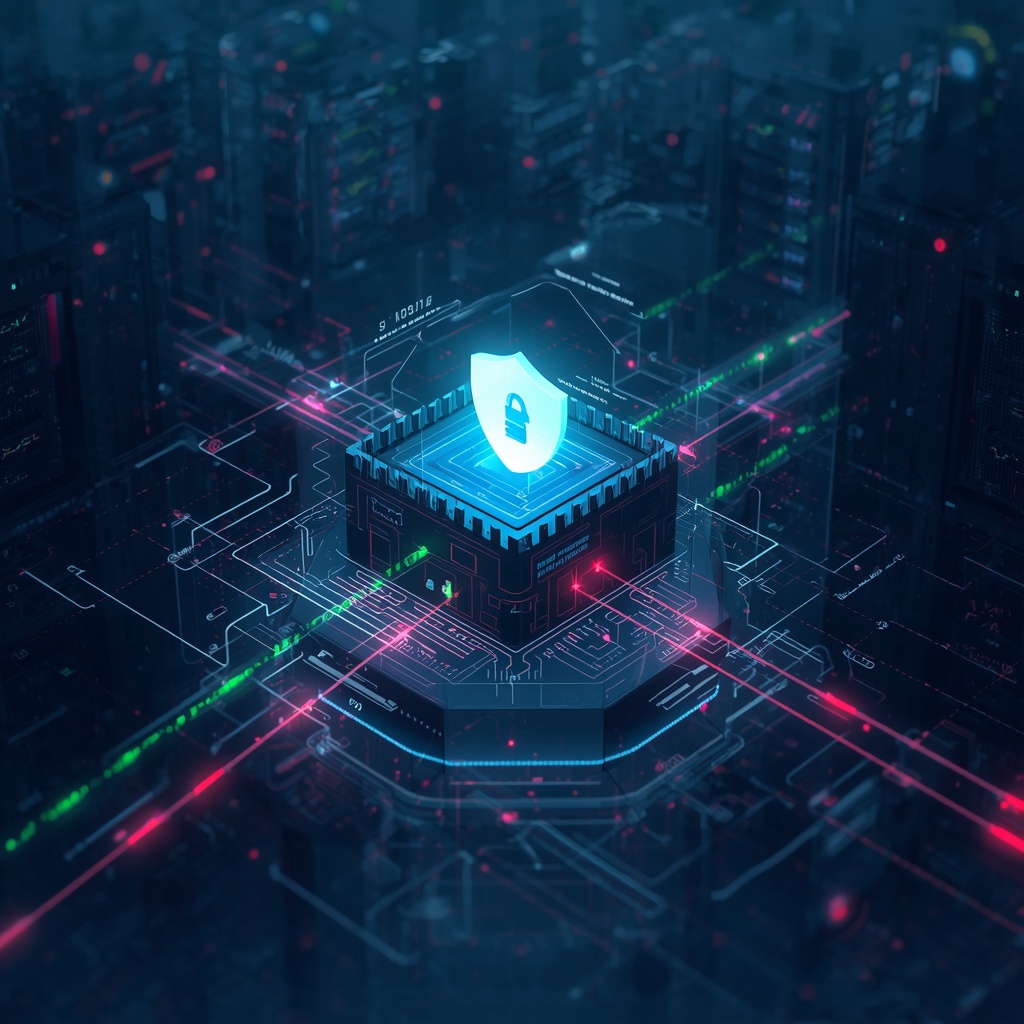
Security Virtual Appliance is a virtual security device that runs as software inside a virtual machine (VM) or cloud environment instead of a physical hardware appliance.
It works as a software-based security tool on servers, cloud platforms, or virtualization systems.
Common uses include:
- Firewall protection
- Intrusion Detection System (IDS)
- Intrusion Prevention System (IPS)
- VPN security
- Malware protection
- Network monitoring
- Web application security
How Does Security Virtual Appliance Work?
Security Virtual Appliance is installed in environments such as VMware, Hyper-V, KVM, or cloud platforms. It monitors network traffic and applies security rules.
- Network traffic passes through the virtual appliance.
- Traffic is analyzed for threats.
- Suspicious activities are detected.
- Harmful traffic can be blocked.
- Security reports and alerts are generated.
Key Features of Security Virtual Appliance
1. Virtual Firewall
It prevents unauthorized access like a traditional hardware firewall.
2. Intrusion Prevention
It detects and blocks network attacks and suspicious activities.
3. VPN Support
It provides secure connections for remote users and branch offices.
4. Centralized Management
Security policies, monitoring, and updates can be managed from a central dashboard.
5. Scalability
Organizations can increase virtual resources when higher performance is required.
Benefits of Security Virtual Appliance
Low Cost
It reduces the need for expensive physical security hardware and lowers maintenance costs.
Fast Deployment
Virtual security appliances can be created and configured quickly.
Easy Management
Updates, backups, and configuration changes are easier because it is software-based.
Suitable for Cloud Environment
It integrates easily with modern cloud infrastructure.
Limitations of Security Virtual Appliance
- Performance depends on underlying hardware resources.
- Heavy traffic may require additional virtual resources.
- Wrong configuration can create security risks.
- The virtualization platform must also be protected.
Security Virtual Appliance and Physical Security Appliance
A physical security appliance is a dedicated hardware device, while a Security Virtual Appliance operates as software using virtual infrastructure.
Virtual appliances provide flexibility and scalability, while physical appliances may perform better in some high-performance environments.
The Future of Security Virtual Appliance
The use of Security Virtual Appliances will increase because of cloud computing, remote work, and hybrid infrastructure.
- Cloud security
- Zero Trust Architecture
- Software-defined networking (SDN)
- AI-powered threat detection
Conclusion
Security Virtual Appliance is a key solution for modern network security. It helps organizations build secure systems in a cost-effective, flexible, and scalable way.
As digital infrastructure becomes more cloud-based and virtualized, Security Virtual Appliances will become an essential part of future cybersecurity architecture.